September 29, 2026
The Training Advice That Falls Apart in a One-Car Town
By Christopher Backus
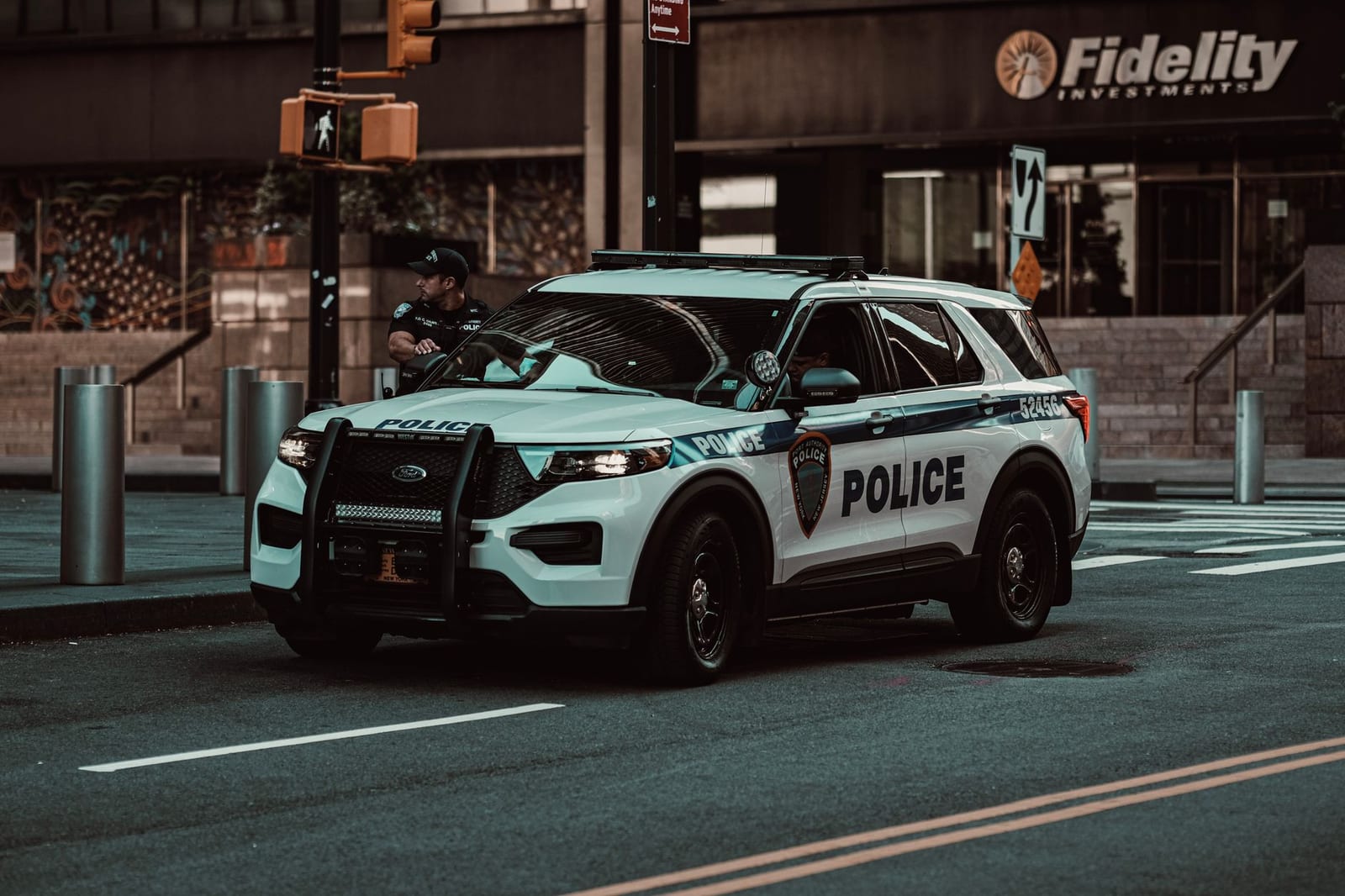
Two Very Different Shifts
Most training advice in this field is written for a department with layers. A shift supervisor down the hall. A sergeant who can roll up in four minutes. A second and third unit already on the way before you even ask for backup. That advice is not wrong. It just was not written with every department in mind.
I have worked shifts where that backup was real, and shifts where it was not. In a small town, sometimes you are the only car on. If something happens, the nearest help might be a neighboring county, twenty minutes out on a good night. That changes what "standard practice" actually means on the ground.
Where the Standard Advice Comes From
A lot of training material, and a lot of the advice that circulates in this job, gets built around mid-size and large agencies. That is not a criticism. It makes sense: those departments have more officers, more incidents, more data, so they generate more of the guidance everyone else reads.
The problem is that a technique built on "wait for your cover officer" does not hold up when there is no cover officer coming. A plan that assumes a records division, a dedicated evidence tech, or a second unit for a traffic stop falls apart fast in a department where one person covers a shift, a radio, and half the paperwork besides.
I noticed this switching between departments of very different sizes. What worked one place did not always transfer clean to the next. The gap was not skill. It was resources.
What Changes When You Are Alone
A few things I had to rethink working smaller departments:
Timing. In a bigger department, you can afford to wait a beat for backup before you commit to an approach. In a small one, you plan for the version of the call where help is minutes away instead of seconds, and you decide ahead of time what you will do if it stays that way.
Scope. A city officer can specialize, traffic one week, community contacts the next. In a small department, you are the traffic stop, the report writer, the follow-up call, and sometimes the person who drives evidence to the lab yourself. Training has to cover more ground because nobody else is covering it for you.
Relationships. With fewer officers and a smaller town, people know your name and your patrol car. That is not a downside. It means the groundwork of community trust gets built through repetition, the same faces, the same conversations, over and over, instead of through a formal program. Advice built around big-department anonymity misses that.
What I Actually Do Instead
I do not throw out standard training. Most of it is sound, and a lot of it is worth learning regardless of department size. What I do is run it through a filter: does this assume a resource I do not have?
If a piece of training assumes immediate backup, I ask what the plan is without it. If it assumes a specialist handles the follow-up, I ask who does that in a department with six officers. Sometimes the answer is that I adjust the timing. Sometimes it is that I lean harder on de-escalation and communication, because those cost nothing and scale down fine. Sometimes it just means I accept that the job takes longer, alone, than the manual suggests it should.
None of this is a knock on the departments that write the standard advice. It is written for the situation most officers are actually in. But if you are working a smaller department, or training for one, it is worth asking early which parts of what you are being taught assume help is close, and which parts hold up on their own.
The Real Takeaway
Training that only works with a full roster behind you is only half a plan. The other half is knowing what you do when it is just you, the radio, and whatever you brought with you that shift. That second half rarely gets written down, because it looks different in every small department. You mostly build it by working the job somewhere small enough to need it.