November 13, 2026
The Police Officer Shortage Nobody Talks About: What It Takes to Build a Stronger Generation of Officers
By Christopher Backus
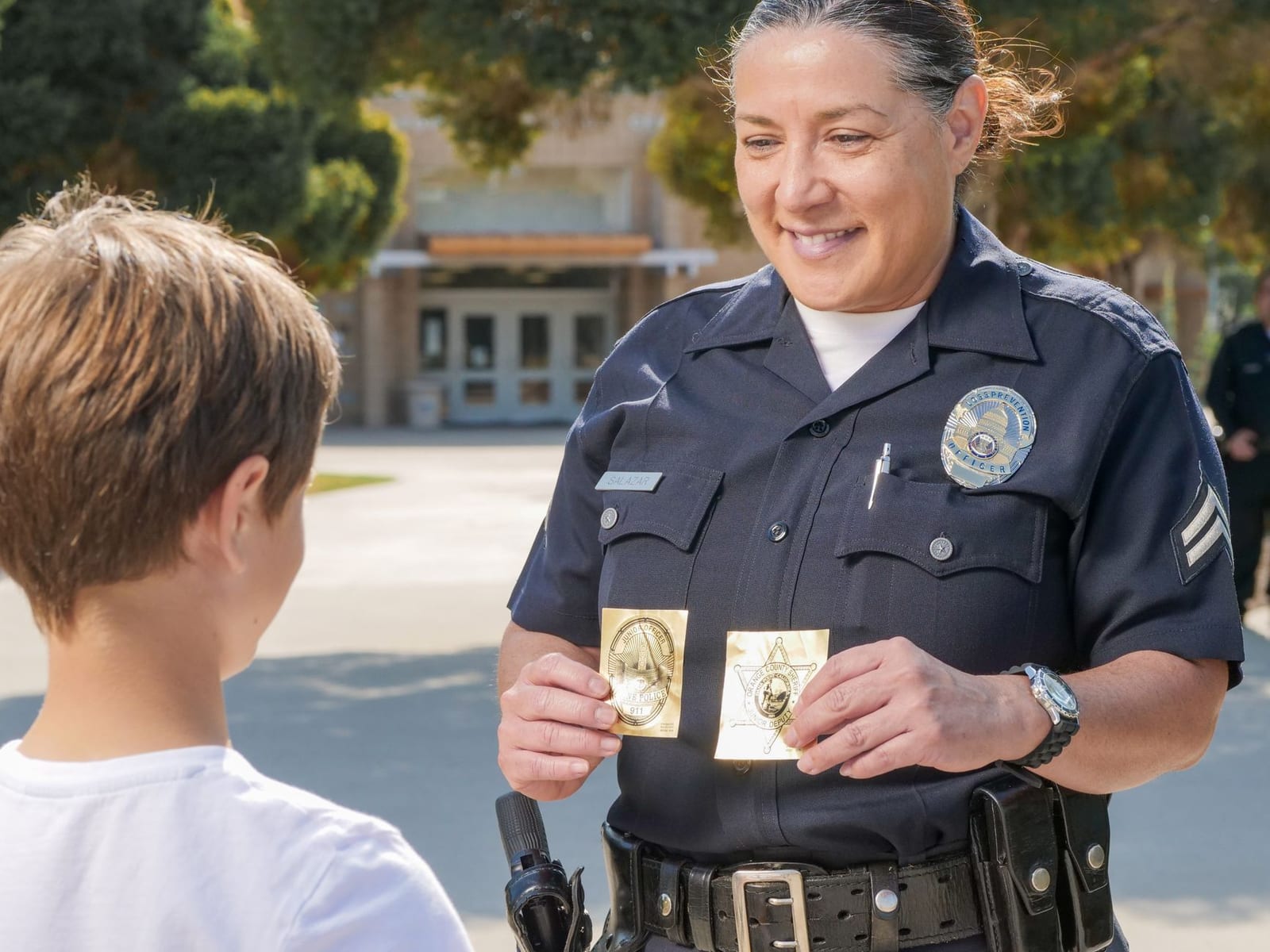
The future of law enforcement depends on the people who choose to enter the profession, the preparation they receive, and the standards they are expected to maintain. Recruiting police officers is only one part of the challenge facing modern policing. Developing capable, thoughtful, and responsible professionals is an equally important responsibility.
When discussing the future of public safety, I believe we need to look beyond recruitment numbers. We should also examine what makes someone prepared for a career in law enforcement and what police organizations can do to support professional development throughout an individual's career.
My interest in criminal justice has given me an appreciation for the many different skills required in this field. Police work involves much more than responding to emergencies. It requires communication, critical thinking, emotional awareness, physical preparation, and an understanding of the communities officers serve.
These qualities should be central to conversations about the next generation of law enforcement professionals.
Recruiting Is Only the Beginning
Police recruitment is an important issue for departments across the country. Attracting qualified candidates requires communicating an accurate picture of what the profession involves, including its responsibilities, challenges, and opportunities for personal development.
A career in law enforcement can appeal to people for different reasons. Some are interested in public service, others are drawn to criminal justice, and many appreciate the opportunity to work in an environment where every day can bring different responsibilities.
However, interest in policing must be supported by realistic preparation.
Candidates need to understand that the profession requires discipline, sound judgment, ethical awareness, and the ability to work effectively with people from different backgrounds. These qualities are not simply desirable additions to a candidate's qualifications. They are important elements of professional readiness.
Recruitment efforts should therefore emphasize both the opportunities and the responsibilities associated with public safety work.
The Importance of Education in Criminal Justice
Education provides an important foundation for understanding law enforcement. Criminal justice programs introduce students to the legal system, public institutions, investigative principles, and the responsibilities associated with maintaining public safety.
My own educational background includes a bachelor's degree in criminal justice and a minor in psychology from Saint Martin's University. I believe the combination of these subjects offers valuable insight into the complexity of police work.
Criminal justice helps explain the structures and procedures that govern the profession. Psychology contributes an understanding of human behaviour, communication, motivation, and how individuals respond to different circumstances.
These subjects complement one another.
Understanding the legal framework surrounding police work is important, but so is understanding the people involved in the situations officers encounter. Education can help develop a more complete perspective on both.
Why Physical Fitness and Mental Preparation Matter
Physical readiness has traditionally been an important part of police training. Officers may need to perform demanding physical tasks, remain alert during extended shifts, and maintain the ability to respond appropriately to unexpected circumstances.
Fitness can support those responsibilities, but preparation should not end there.
Mental readiness is equally important. Law enforcement professionals must be able to manage stress, communicate clearly, and make decisions without allowing emotions or assumptions to interfere with sound judgment.
Developing these capabilities requires consistent effort.
Fitness, sleep, continuing education, scenario-based training, and healthy stress-management practices can all contribute to professional readiness. These areas should be viewed as interconnected rather than separate requirements.
I have always appreciated the value of physical activity and outdoor pursuits, including hiking, camping, and other recreational activities. Maintaining an active lifestyle can reinforce discipline and provide opportunities to develop patience and resilience.
The broader lesson is that preparation is a continuing process.
Mentorship Can Shape the Next Generation
One area that deserves greater attention in law enforcement is mentorship.
New professionals entering demanding environments benefit from learning alongside people who understand the responsibilities of the work. Experienced individuals can help explain procedures, demonstrate effective communication, and provide guidance when someone encounters unfamiliar situations.
Good mentorship is not simply about passing down information. It involves demonstrating professional standards and encouraging younger professionals to think critically about their decisions.
It should also create an environment where asking questions is viewed as a strength rather than a weakness.
The next generation of police officers needs access to mentors who emphasize professionalism, accountability, community engagement, and continued learning.
Strong mentorship can help individuals develop confidence while remaining aware of the responsibilities that come with their positions.
Community Engagement Should Begin Early
Police-community relationships are an important part of effective public safety. Yet meaningful engagement should not begin only when an emergency occurs.
Young people, families, community organizations, and local institutions all have a role in shaping how communities understand law enforcement.
Programs that encourage constructive interaction can help create opportunities for education and mutual understanding. Youth engagement is particularly valuable because it allows younger generations to learn about public safety, civic responsibility, and the role of community institutions.
I believe these conversations should be approachable and practical. People should have opportunities to ask questions, discuss concerns, and develop a clearer understanding of how law enforcement operates.
Building trust requires consistency, patience, and a willingness to listen.
Professional Accountability Must Remain a Priority
Preparing the next generation of officers also means establishing clear expectations surrounding conduct and responsibility.
Police professionals must understand that public authority carries significant obligations. Training should reinforce ethical decision-making, appropriate use of authority, transparent procedures, and respect for the rights of individuals.
Accountability should be incorporated into professional education from the beginning. It should not be treated as a separate subject that becomes relevant only when something goes wrong.
A profession that takes accountability seriously is better positioned to examine its practices, identify areas for improvement, and maintain meaningful standards.
Looking Ahead at the Future of Law Enforcement
The future of policing will be shaped by more than recruitment campaigns or changes in technology. It will depend on the quality of preparation, the strength of professional leadership, and the commitment of individuals to continued development.
As someone with an educational background in criminal justice and psychology and experience across different law enforcement environments, I recognize the importance of approaching these issues from multiple perspectives.
The next generation of officers deserves thoughtful training, meaningful mentorship, and clear professional expectations. Communities deserve individuals who understand that public safety involves both technical knowledge and human responsibility.
I believe the strongest future for law enforcement will come from investing in people, encouraging continued education, and maintaining high standards throughout the profession.
Recruiting new officers is important, but developing capable professionals is what ultimately matters. The work of building stronger law enforcement institutions begins long before an officer responds to a call. It begins with preparation, education, mentorship, and a commitment to doing the job responsibly.